Practicing mindfulness permits people to become more aware of physical sensations, thoughts, and emotional responses that signal rising pressure or misery. Techniques corresponding to deep respiratory, progressive muscle leisure, and grounding workouts help manage these intense feelings, stopping them from escalating into cravings. Self-awareness is a crucial part in managing recovery from substance use disorders. It entails recognizing one’s thoughts, emotions, and behaviors, significantly in response to cravings and triggers. With enhanced self-awareness, individuals can determine particular cues—people, locations, or situations—that provoke their substance cravings.
Recognizing and understanding these triggers is the first step towards controlling their influence. Managing emotional triggers is an ongoing process that requires self-awareness, self-reflection, and the event of coping strategies. By understanding the causes and symptoms of triggers and implementing long-term strategies for emotional self-regulation, you can be taught to successfully manage and cope together with your triggers. Facing everyday triggers involves self-reflection, understanding, and positive actions. It is important to be type to your self and recognize that your past experiences form your triggers however don’t define you.
For occasion, replacing “They are attacking me” with “They are upset and expressing it differently” can cut back defensiveness and emotional upheaval. Some could also be triggered by relationship conflicts, emotions of rejection, or feeling invisible, while others react to authority figures or sensory cues. Overall, integrating meditation into rehabilitation strategies not only enhances emotional and psychological well-being but additionally reinforces the muse for sustained restoration. Moreover, meditation promotes neuroplasticity, which means it can help in healing trauma. This approach might reshape the mind’s structure, significantly within the prefrontal cortex and hippocampus, whereas lowering hyperactivity in the amygdala, an space involved in stress responses. Combining meditation with supportive therapies such as Cognitive Behavioral Therapy (CBT) or group remedy maximizes restoration outcomes.
John was a 35-year-old advertising manager who regularly discovered himself snapping at colleagues. Upon reflecting, John realized that his frustration was triggered by feedback that reminded him of crucial comments he had obtained from a former boss. After acknowledging this pattern, he started utilizing leisure techniques, enabling him to respond extra calmly.
Engage in actions that deliver pleasure and comfort, nurturing the child within you. This course of considerably diminishes the emotional charge hooked up to triggers rooted in early experiences. When you possibly can identify your emotional triggers, you acquire the ability to respond consciously quite than react impulsively. It’s the difference between being swept away by the emotional tide and elegantly navigating the waves.
Taking a brief break—if possible—by stepping away from the scenario provides you house to replicate and prevent emotional escalation. Using optimistic self-talk and rational ideas encourages a more measured response and helps reframe the trigger. Practicing mindfulness during social situations enhances real-time awareness. Techniques similar to deep breathing, grounding workout routines, or sensory focus may help you stay current and recognize your emotional state as it unfolds.
By recognizing this trigger, she was able to have interaction extra brazenly in her present office. This consists of consuming a balanced diet, getting sufficient sleep, exercising regularly, and taking time for leisure and leisure actions. Doing so helps strengthen your total emotional resilience and capacity to cope with stress.
Mindfulness can even help us to develop different coping methods for coping with our emotions. Instead of turning to meals, we will explore other actions that convey us pleasure or present a sense of consolation. This could presumably be something from going for a walk in nature, working towards yoga, or partaking in a artistic hobby.
In the method of managing your emotional triggers, you will discover the power of setting boundaries. It’s about mastering your thoughts and feelings, changing into the conductor of your individual emotional orchestra. This gives us a model new mannequin of the emotional mind, and the book goes on to supply methods we can use to vary our brains and feelings to improve our emotion regulation. You may want to do some additional reading to deepen your understanding of emotional regulation, and there are tons of wonderful emotional regulation books to choose from.
Sometimes, others can see connections that are difficult to spot from your perspective. Their suggestions can be a useful software in your journey to know and manage your triggers. This supportive network can be a cornerstone of your emotional well-being. In addition to writing about your experiences, think about reflecting on how your physique feels throughout these moments. By combining these observations, you possibly can create a complete picture of what affects your emotional state.
Gradually, you may discover patterns that may assist you to anticipate and put together for triggers sooner or later. Mentally, people might expertise overwhelming emotions similar to fear, anger, or helplessness. These reactions can be distressing and, if frequent, can contribute to persistent stress and anxiety. Reacting strongly to a set off might lead to misunderstandings or conflicts with family members. Triggers can result in heightened stress, anxiety, and even despair if not managed correctly. They would possibly trigger you to react in ways in which you later remorse, affecting your shallowness and mental well being.
According to the World Health Organization, psychological health disorders affect one in 4 people at some point in their lives. This statistic underscores the significance of looking for skilled help when dealing with emotional triggers. Develop a toolkit of wholesome coping mechanisms for occasions when emotional triggers arise. These could include deep respiratory, journaling, or bodily actions like walking or stretching.
Research has proven that individuals with a strong assist system are higher geared up to handle stress and cope with emotional triggers. In conclusion, in search of professional assistance is an integral part of identifying and managing emotional triggers. With the support of educated professionals, people can achieve the instruments and assets wanted to navigate their emotional challenges and improve their general well-being. It involves recognizing the ideas, feelings, and behaviors that arise in response to certain triggers.
This journey requires endurance, self-compassion, and a willingness to learn and develop. Over time, you’ll begin to note patterns and achieve a clearer understanding of your emotional panorama. This awareness is essential for reworking triggers into alternatives for progress.
This article explains emotional triggers through a science lens while providing methods to respond thoughtfully, not reflexively, when activated. With apply, we will forestall harm to ourselves and others in hot moments. Managing triggers is a continuous means of self-awareness, emotional regulation, and apply. Emotional triggers are often connected to deep-seated experiences, sometimes even trauma.
Recognizing and communicating about triggers in relationships can lead to improved understanding and more healthy interactions. By overtly discussing your triggers with your partner, you possibly can handle the situations that cause misery and work together to forestall related triggering events sooner or later. This open communication can foster empathy, strengthen your bond, and create a more supportive relationship. To achieve emotional freedom, embrace constructive triggers that encourage joy, motivation, and self-empowerment. Engaging in actions that contribute to personal progress, corresponding to journaling, remedy, or self-help practices, can help you navigate your triggers and foster emotional therapeutic. Mental well being conditions, such as anxiety problems or post-traumatic stress disorder (PTSD), can improve the probability of experiencing emotional triggers.
Recognizing and understanding these triggers is step one towards managing them successfully, allowing individuals to answer emotional stimuli in healthier, extra constructive methods. The early life are critical for emotional development, and negative experiences during this time can leave lasting impressions. Children who experience trauma, neglect, or inconsistent parenting might develop triggers that have an result on their adult relationships and emotional responses.
Our skilled professionals will work with you to develop a customized therapy plan that meets your distinctive needs. If you or someone you understand is battling addiction, reach out to Leora Behavioral Health right now. These stimulus associations are stored in memory, able to be triggered in response to similar stimuli sooner or later. The triggering response happens automatically, without conscious awareness of the connection between the present stimulus and the previous traumatic event. You can’t avoid or escape from every troublesome state of affairs life throws at you. And it’s pretty much a guarantee that unpleasant feelings will come up often.
For instance, smelling cologne worn by someone who has handed away would possibly set off feelings of grief. These exterior cues can act as reminders of traumatic or significant occasions and infrequently elicit responses similar to nervousness, sadness, or anger. Furthermore, looking for social help is an important self-care technique for managing emotional triggers. Connecting with pals, household, or support teams can provide a sense of belonging and reduce emotions of isolation. According to the American Psychological Association, social assist may help to buffer the consequences of stress and enhance mental well-being.
Techniques like deep respiration or grounding exercises can help clear your mind and allow for extra rational pondering. Instead of reacting impulsively, mirror on the state of affairs and think about the feelings involved. Tools such as the ABCs of Cognitive Behavioral Therapy can help you analyze your beliefs about triggering occasions and improve your decision-making process. Emotional triggers can really feel overwhelming, however studying to manage them is important for sustaining emotional stability and improving well-being. Once you’ve identified your triggers, the subsequent step is figuring out the method to reply in more healthy methods.
Consider a scenario where an employee, Mark, is engaged on a high-stakes project. If his manager supplies suggestions that he perceives as negative, he may react with frustration or anxiety, stemming from a previous experience the place he was unfairly criticized. Implementing these methods as a part of a complete relapse prevention plan significantly boosts resilience and supports long-term sobriety. Support networks additionally serve as instant sources of comfort during moments of distress.
This article will explore the assorted kinds of triggers, together with emotional, environmental, and situational, and their profound results on psychological health. We will talk about frequent examples of triggers, corresponding to stressful occasions, trauma reminders, and sensory stimuli, for instance how they’ll disrupt emotional stability and well-being. Understanding the significance of recognizing these triggers is emphasised, highlighting the advantages of early detection, self-awareness, and improved interpersonal communication. By addressing these aspects, individuals can develop effective coping strategies and preventative measures to handle their mental health proactively. Meditation plays a crucial role in managing emotional triggers and cravings throughout dependancy restoration. It fosters mindfulness, which enhances awareness of ideas and feelings with out quick judgment or reaction.
Awareness helps in acknowledging cravings without immediate reaction, allowing for a pause that may lead to higher decision-making. This mental clarity aids people in navigating challenging conditions that would otherwise lead to relapse. Individuals with substance use problems (SUDs) face considerable challenges in managing their feelings.
Our dedicated team of licensed professionals ensures every shopper receives the best care possible, supported by accreditation from The Joint Commission. Embracing your triggers as alternatives for growth requires braveness and dedication. It entails recognizing that these triggers usually are not enemies but guides in path of healing and self-improvement. For extra insights, discover tips on how to build a better future by letting go of the previous. Reframing helps you step away from assumptions and see situations extra clearly which is a crucial aspect of Dialectical Behavior Therapy(DBT).
By being aware of those reactions, people can begin to know the basis reason for their triggers and develop strategies for managing them. It’s essential to keep in thoughts that managing emotional triggers is an ongoing course of. It takes time and effort to develop new coping methods and change our responses to triggers.
Talking to someone you belief can present a recent perspective and assist you to see your blind spots. This might seem odd at first, but digging deeper might reveal that it reminds you of arguments at house if you were younger. The raised voice is the set off, and your mind reacts to protect you from reliving that moment.
This system helps encode recollections differently based on their emotional significance, which explains why some stimuli can provoke disproportionate reactions. By following these steps, you’ll uncover patterns and root causes behind your emotional triggers. Self-awareness is step one towards managing them, serving to you’re feeling extra in command of your feelings and reactions.
This may be notably beneficial for these who may really feel isolated or overwhelmed by their feelings. Through a therapeutic relationship, people can acquire priceless insights and develop resilience in managing their emotional triggers. Once you recognize an emotional set off, it’s important to grasp the way to handle these triggers successfully. By employing specific methods, you can handle these responses and prevent them from overwhelming you.
If you’re in search of further guidance on personal growth, think about exploring finding purpose with the MAP methodology. Embracing private freedom includes a dedication to understanding and managing your emotional triggers. By transforming these triggers into stepping stones, you’ll be able to achieve higher emotional intelligence and resilience.
When we exercise, our our bodies launch endorphins, sometimes called “feel-good” hormones. These natural chemicals work together with the receptors in our mind, leading to a positive feeling in the physique and a reduction in the notion of ache. Establishing and maintaining wholesome boundaries is an ongoing process that requires self-awareness, communication, and assertiveness.
Emotional triggers often stem from experiences in our past—especially those tied to unresolved trauma, adverse self-beliefs, or tough memories. When something within the present reminds us of those previous experiences, it can reactivate old emotional wounds, causing us to feel a heightened sense of distress. Yes, emotional triggers can change as you grow, be taught, and have new experiences, making continued self-awareness essential. By reframing your thoughts about a triggering situation, you can change your emotional response to it. Emotional triggers, whereas challenging, can even serve as opportunities for personal growth and self-discovery. When you’re capable of determine and perceive your triggers, you acquire a deeper perception into your emotional panorama.
As you set and achieve fitness goals, whether or not it’s operating a sure distance, lifting a particular weight, or mastering a brand new yoga pose, you cultivate a sense of accomplishment. This boost in self-worth may help mitigate the influence of emotional triggers, making you more resilient in the face of challenges. During addiction, substances usually grew to become the primary approach to escape stress, anxiousness, or emotional ache. Once in recovery, these feelings don’t disappear—they have to be managed in wholesome, productive ways. It’s important to acknowledge that experiencing emotional triggers is a universal human experience. With our advanced psyches conditioned by prior experiences, triggers are unavoidable and may really feel intensely painful when activated.
By taking a moment to pause and verify in with ourselves before reaching for food, we will start to establish the feelings which are driving our consuming habits. In addition to increasing self-awareness and creating a non-judgmental attitude, mindfulness can even allow you to domesticate a sense of self-compassion. Many individuals who battle with emotional eating typically berate themselves for his or her lack of willpower or self-control. However, by practicing mindfulness, you can be taught to treat your self with kindness and understanding. This may help you break away from the cycle of guilt and disgrace that usually accompanies emotional consuming, and as a substitute approach yourself and your consuming habits with compassion. One method that mindfulness might help with emotional eating triggers is by increasing self-awareness.
Factors like childhood trauma or unresolved grievances can manifest in your current emotional life, influencing how you react to certain stimuli. Recognizing these connections could be insightful, guiding you towards extra constructive emotional responses. Emotional triggers are stimuli that provoke sturdy emotional reactions, typically tied to previous experiences, traumas, or unresolved points. They range from person to person and may be something from a person’s tone of voice to particular environments. Identifying emotional triggers is the primary step towards gaining control over your emotional responses. It promotes self-awareness and empowers you to decide on how you react to conditions.
High levels of stress can cloud your judgment and impair your emotional responses. Develop healthy coping mechanisms such as mindfulness, meditation, or bodily exercise. These practices might help you preserve emotional balance and reply more thoughtfully to triggering situations.
Recognizing feelings goes past “good” or “dangerous” to the specific feeling. This helps us really take heed to what our feelings say and act in a optimistic means. Here are a quantity of journaling techniques, every offering unique benefits for managing psychological health triggers. By being mindful of feelings and responses, individuals can work towards a more healthy mental state and emotional well-being.
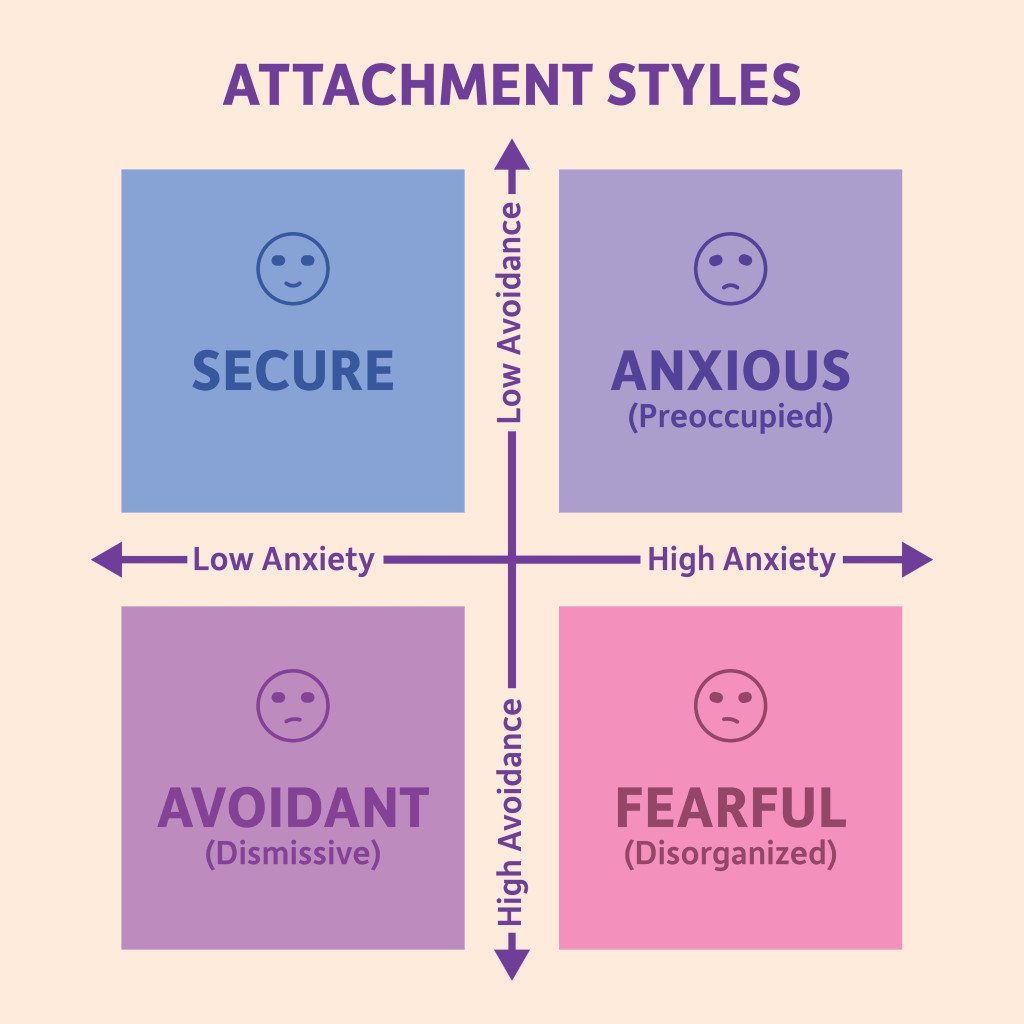
They can be as distinctive as your fingerprints, formed by your private experiences, values, and beliefs. They might be linked to childhood recollections, past traumas, and even your cultural background. Effective emotional regulation enables us to respond appropriately to life’s challenges without changing into overwhelmed or appearing impulsively. Internal triggers aren’t restricted to adverse feelings; even optimistic feelings, like the thrill of success, can act as triggers 13.
According to the Psychology Today, emotional triggers are sometimes rooted in past experiences and unresolved emotional points. Emotional triggers are particular events, conditions, or people who elicit robust emotional reactions. These reactions can vary from anger and frustration to unhappiness and nervousness. Understanding and managing emotional triggers is essential for maintaining psychological and emotional well-being. In this article, we are going to delve into the identification and management of emotional triggers, providing insights and methods for higher emotional well being. Preventing relapse as a end result of emotional triggers involves proactive and conscious methods.
Addressing emotional dysregulation via targeted therapies and coping mechanisms is subsequently crucial in habit therapy. Developing skills to tolerate misery, handle impulses, and regulate feelings can reduce relapse risk and support lasting restoration. Emotional dysregulation performs a major role in rising the risk of substance abuse and relapse.
By finding healthier ways to deal with our emotions, we can progressively scale back our reliance on meals as a source of consolation. Mindfulness is the follow of being absolutely present and aware of the current moment, without judgment. It entails listening to our thoughts, emotions, and bodily sensations, and accepting them with out making an attempt to vary or suppress them. By practicing mindfulness, we will turn out to be more attuned to our emotions and higher equipped to deal with them in a wholesome means. In recovery from habit, having a robust help system is often a essential element for fulfillment. Connection with others who perceive one’s struggles provides not only encouragement but additionally accountability.
This shift helps to calm hypervigilance and panicked responses, particularly during episodes of heightened misery like panic assaults or traumatic flashbacks. Regular practice of grounding methods improves one’s capability to swiftly return to the present, fostering larger emotional stability over time. These techniques function quick relief tools, but additionally contribute to long-term resilience by coaching the mind to manage emotional responses extra effectively. Consequently, they’re invaluable for emotional regulation, supporting total mental health and well-being. Emotional triggers can usually lead to overwhelming feelings and reactions that gained’t serve us properly in the lengthy term.
These triggers are linked to previous unfavorable experiences and can manifest as inner feelings or external stimuli. Recognizing and managing them is essential for sustaining restoration progress. In this guide, we delve into widespread triggers, effective management strategies, and sensible tips to navigate emotional challenges during early recovery. Developing effective coping mechanisms is essential for managing emotional triggers. These methods can help you navigate challenging conditions and cut back the impression of triggers on your well-being. Building resilience is crucial for managing emotional triggers and achieving personal freedom.
According to the World Health Organization, persistent stress from emotional triggers can weaken the immune system, making us extra susceptible to sicknesses. In reality, it is estimated that 75-90% of all doctor’s office visits are for stress-related ailments and complaints. This highlights the significance of figuring out and managing emotional triggers for our total health and well-being. In this article, we’ll discover tips on how to take care of emotional triggers and identify the signs of recognizing psychological well being triggers so you’ll be able to regain management and discover calm in tense moments.
One of essentially the most powerful tools at your disposal is the practice of deep respiration and leisure techniques. These strategies not solely assist in calming the mind but in addition in regulating emotional responses, permitting you to navigate by way of difficult situations with larger ease. Identifying your emotional triggers is essential for managing your responses. Once you recognize these triggers, you probably can develop methods to deal with them more effectively, similar to taking a break or utilizing relaxation techniques. In a world the place emotional intelligence is more and more acknowledged as an important ability, exploring and managing our emotional triggers turns into important.
Sarah, a 30-year-old advertising supervisor, always felt anxious every time her boss gave feedback. After realizing that her nervousness stemmed from past negative experiences in previous jobs, she worked on reframing her thoughts. Instead of viewing feedback as a personal assault, she learned to see it as a chance for growth.
Developing personalised relapse prevention plans that incorporate set off administration, life-style changes, and self-care practices ensures sustained recovery. Every step towards mastering set off consciousness strengthens one’s ability to navigate the complex panorama of dependancy, finally paving the means in which for a more healthy, substance-free life. In sum, proactive set off administration is a vital pillar of long-term sobriety—and the key to reworking recovery challenges into alternatives for growth and resilience. Developing efficient coping strategies for triggers is a elementary step towards emotional resilience and stability.
Trust and limits type the inspiration of healthy relationships and emotional stability. Trust includes reliability, honesty, and respect, giving individuals confidence that they can rely on others. Psychological security is an important facet of emotional well-being, both within the office and in personal relationships. It involves creating an surroundings the place individuals really feel secure sufficient to express their true emotions and thoughts without concern of judgment or retribution. It begins with reaching out to these round you and constructing meaningful connections. This may contain strengthening present relationships with friends and family, or looking for out new connections via support teams or therapy.
Creating a private coping technique plan can further empower people to deal with triggers proactively. This plan would possibly embody an inventory of go-to leisure strategies, a support community of friends and family, and a set of objectives for sustaining healthy habits. Additionally, seeking assist from mental well being professionals is normally a crucial part of a coping strategy plan. Therapists can provide guidance on managing triggers, educate particular coping techniques, and supply a protected area for processing emotions. By constructing a strong coping technique plan, individuals can improve their resilience and navigate triggers with larger confidence and effectiveness. To address the elevated stress, the person may be identifying triggers and working on methods to manage their emotional responses.
Through bodily sensations, breathing workouts, and calms in the setting, grounding helps shift the nervous system from a state of hyperarousal or shutdown back to security. Their effectiveness is strengthened by each scientific apply and emerging research, making them indispensable tools in psychological health care. Moreover, grounding practices improve self-awareness and emotional regulation, which are essential in trauma restoration. Visualizing secure or pleasant locations, listening to music, or engaging in constructive self-talk foster emotional resilience. Emotional triggers can considerably impact relationships, usually leading to misunderstandings and conflicts.
Document your feelings together with the specific circumstances that result in them, permitting you to spot patterns over time. This may help create readability about what genuinely triggers your emotional responses. Regular reflection is significant; consider journaling about previous experiences that resonate along with your present feelings. When I work with college students, I at all times emphasize that mindfulness works best alongside different wholesome coping methods. It enhances emotional awareness and helps you develop resilience over time.
Prioritize actions that nourish your physique and thoughts, similar to train, wholesome eating, and enough sleep. By doing so, you presumably can begin to see patterns and understand your emotional responses higher. This understanding is a vital step in remodeling these triggers into opportunities for progress.
Physiologically, the nervous system is essential in processing and modulating emotional responses. Additionally, developmental factors, together with brain improvement and childhood experiences, significantly affect how emotional regulation expertise are formed and refined over time. Incorporating emotional regulation expertise into daily life can lead to improved psychological well being outcomes and foster a sense of emotional stability. By understanding and practicing these skills, individuals can enhance their emotional intelligence, leading to higher emotional self-regulation and more healthy interpersonal connections. Remember, it is a journey, and each step towards aware eating is a step towards higher well-being and self-care. Recovery is a deeply personal and ongoing journey that requires resilience, fixed studying, and adaptation.
This shift can create a way of calm and readability, allowing you to process your emotions more successfully. When individuals encounter a set off, they may expertise a range of feelings, from anxiousness and anger to unhappiness and frustration. By implementing these methods, people can take control of their emotional triggers, resulting in healthier emotional responses and improved overall well-being.
Maintaining an open mind when confronted with emotional triggers can foster empathy, understanding, and efficient communication. By refraining from jumping to conclusions or making assumptions, you create space for dialogue and collaboration. Being open-minded lets you consider different perspectives, resolve conflicts constructively, and navigate trigger-inducing situations with larger flexibility. Together, these support techniques type a complete network that reinforces emotional sobriety.
At Ascend Counseling, we understand that identifying and managing emotional triggers can be a difficult course of. Our team is dedicated to providing help and steerage as you work toward understanding your responses and developing more healthy coping mechanisms. Have you ever discovered your self all of a sudden overwhelmed by emotions and puzzled why? We all have triggers—those sights, sounds, and even reminiscences that can unexpectedly fire up intense feelings.
By incorporating these methods into every day routines, individuals can improve their capacity to handle triggers and preserve emotional balance. In the realm of psychological well being, understanding and recognizing triggers is paramount for efficient self-management and total well-being. Triggers are stimuli that provoke intense emotional reactions, often linked to past experiences or underlying psychological health situations. These reactions can manifest as nervousness, despair, or different psychological disturbances, disrupting day by day life and hindering private growth.
Recognizing personal triggers is crucial for understanding behavioral patterns. When individuals determine what units off their emotional reactions, they can develop efficient coping strategies. This awareness supplies the muse for change, allowing for responses which would possibly be extra reflective and less computerized. Continuous mental health help after finishing dependancy remedy is essential for sustaining long-term sobriety and managing co-occurring disorders. Therapy sessions present a secure area for people to address ongoing emotional difficulties, stressors, and potential relapse triggers. Emotion regulation training teaches coping strategies similar to deep respiratory, journaling, gratitude practices, and social assist utilization.
These wholesome communication strategies provide guidance for “how to speak when you’re triggered.” Practicing them facilitates thoughtful connection throughout troublesome moments. Using these mindfulness strategies reveals how to take care of triggers in a wholesome way. Those are the moments of perceived disapproval, like an averted look or curt message, can spark intense feelings of hysteria, harm, or unhappiness.
Reacting strongly to triggers could result in misunderstandings, conflicts, and distance from others who could not absolutely comprehend the depth of the emotional response. Mindfulness of emotions is a central idea in Buddhist psychology, where feelings are seen as transient psychological states that could be noticed without attachment. The Satipatthana Sutta, one of the foundational texts of mindfulness practice, particularly instructs practitioners to look at feelings and emotions with out identifying with them. This ancient wisdom is echoed in trendy mindfulness practices, where the aim is to watch emotions with out being carried away by them. Studies in psychology have persistently shown that mindfulness practices can cut back emotional reactivity. When we are aware of our emotions, we can observe them with larger detachment.
One of the first steps in managing emotional triggers is to determine them. This involves paying consideration to our emotional reactions in numerous conditions and understanding what particular ideas, reminiscences, or experiences are triggering these feelings. Once we have recognized our emotional triggers, we will then work on growing strategies to handle them. Identifying emotional triggers is step one in managing them effectively.
At A Mission for Michael (AMFM), we offer specialized treatment for those grappling with the consequences of emotional trauma. Our approach is rooted in a deep understanding of the varied methods trauma can manifest, each mentally and physically. This means surrounding yourself with supportive people and minimizing exposure to recognized triggers. It might also involve setting boundaries with people who may inadvertently trigger you or avoiding particular places that remind you of previous trauma. In truth, experiencing distressing triggers is a trademark symptom of PTSD. When somebody with this condition encounters a set off, it can lead to intense flashbacks or emotional distress, making trigger management an essential part of PTSD remedy.
Meditation provides a transformative pathway for people recovering from dependancy, supporting them in managing emotional triggers and cravings and enhancing their general psychological well being. Mindfulness is a powerful software for people in recovery, permitting them to recognize and handle emotional triggers successfully. By developing self-awareness, those in recovery can establish patterns of their emotions and ideas. Questions similar to “What am I feeling right now?” or “What triggered this feeling?” promote deeper perception and empower restoration.
However, these protecting reactions can become maladaptive within the present, leading to emotional responses that really feel out of place or disproportionate. You can determine your emotional triggers by maintaining a journal of emotional incidents, listening to particular situations or words that elicit robust emotions. Incorporating bodily activity and journaling into your routine can further assist in regulating feelings. Exercise releases endorphins, which enhance temper and total well-being, while journaling presents an area to process thoughts and emotions more totally. Documenting your emotions can lead to insights about your emotional triggers and patterns. Research-backed methods like mindfulness, cognitive restructuring, and effective communication aim to rewire these neural pathways.
For instance, a specific scent might remind someone of a cherished childhood reminiscence, resulting in feelings of heat and pleasure. Recognizing constructive triggers can enhance well-being and help people domesticate extra optimistic emotional experiences. This variability is influenced by personal history, cultural background, and individual temperament.
Mindfulness can create area between stimulus and response, permitting you to strategy situations with a calmer mindset. Common triggers embrace criticism, rejection, failure, overstimulation, and feeling invalidated. Let’s delve into this important subject, exploring actionable strategies and real-world case research that may empower you to take charge of your emotional well-being. Learn how each of our applications supports a unique a half of the recovery journey—and which one is right for you. “Name it to tame it.” Neuroscience exhibits that labeling feelings prompts the prefrontal cortex and reduces amygdala activity (Lieberman et al., 2007).